Felix Braun · 31 August 2026
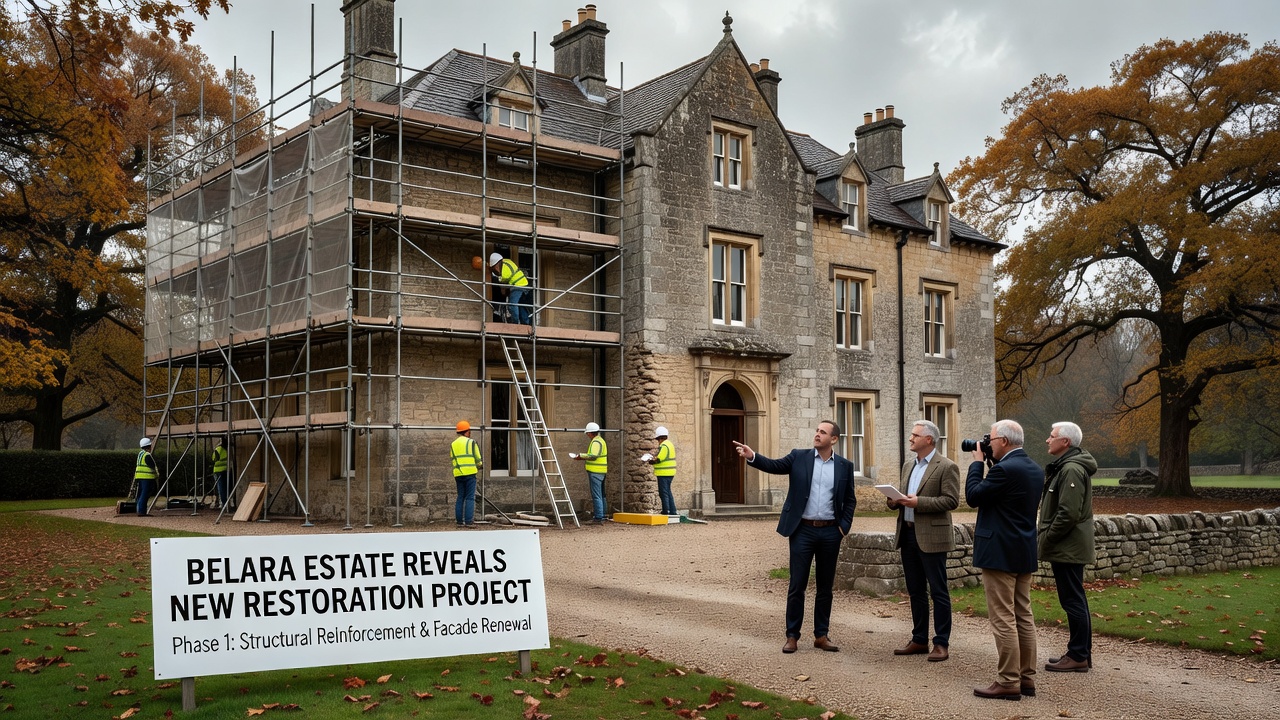
The Belara Estate has revealed plans for an extensive new restoration project designed to safeguard its rich cultural heritage. Officials from the estate made the announcement during a recent gathering attended by historians, local leaders, and preservation experts. The project aims to restore several key structures that have suffered from time and weather exposure over the decades. This effort underscores the commitment to maintaining the estate as a vital cultural landmark in the region.
Scope of the Restoration Efforts
The restoration will encompass the main residence, outbuildings, and landscaped gardens that date back to the early nineteenth century. Teams will employ advanced diagnostic tools to assess damage before beginning repairs using period-appropriate materials. Conservationists will also focus on the estate's extensive collection of artworks and documents ensuring they are protected from further decay. Local community members will be invited to participate in volunteer programs that support the initiative. The overall budget is estimated at several million dollars with contributions from various cultural foundations. Additional measures include the installation of sustainable energy systems that align with modern environmental standards while respecting the historical aesthetic. Regular progress reports will be made available to the public through the estate's official channels. The project timeline is set for five years with milestones at each stage to allow for adjustments based on findings during the work.
Historical Context and Future Benefits
Belara Estate holds a prominent place in the area's history having served as a residence for notable figures and a center for cultural activities. The restoration project is expected to enhance educational programs and attract more tourists interested in heritage sites. By the end of the project visitors can anticipate a more immersive experience with restored interiors and improved pathways through the grounds. Experts believe these changes will contribute to a deeper appreciation of the estate's legacy. Ongoing maintenance plans are also being developed to ensure longevity of the restorations. This comprehensive approach highlights the importance of proactive preservation in cultural heritage management. Further collaborations with academic institutions will allow for ongoing research into the estate's past.