Bianca Flores · 31 August 2026
Archaeologists have established a direct link between the ancient ruins in Belara and the Etruscan era through recent findings that include distinctive pottery and structural remains. The project, led by experts from several Italian institutions, has been ongoing for the past three years in the region known for its layered historical deposits.
Key Discoveries at the Site
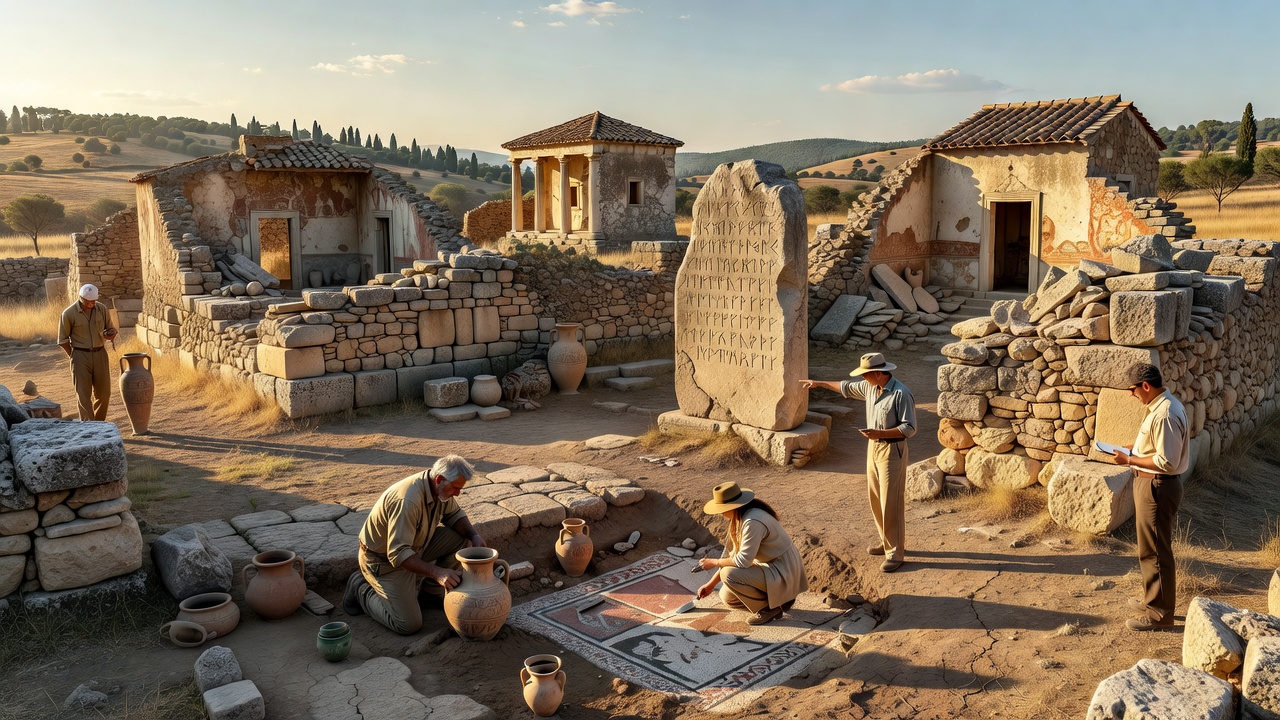
The team unearthed numerous shards of bucchero pottery, a type characteristic of Etruscan craftsmanship, featuring incised decorations of animals and deities. Radiocarbon analysis confirmed the dating to approximately 650 BCE. In addition, the discovery of a drainage system and foundation walls suggests advanced engineering skills associated with Etruscan builders. Dr. Marco Bianchi, the lead archaeologist, stated that these elements point to a settlement that served both residential and ritual purposes. Soil tests also indicated the presence of grape seeds consistent with Etruscan viticulture practices prevalent in that period. Further evidence came from metal objects, such as iron tools and jewelry, which match those found in core Etruscan territories. The inscriptions discovered on a limestone block are being studied for linguistic connections to the Etruscan language, which remains partially undeciphered. These artifacts provide insights into daily life, trade, and religious beliefs of the inhabitants.
Broader Implications for Belara Heritage
The connection to the Etruscans elevates the status of Belara as a significant cultural landmark. Previously considered a secondary site from the Roman period, it now contributes to narratives about Etruscan expansion and interactions with neighboring groups. Heritage preservation organizations have called for increased funding to safeguard the area from urban development pressures. International collaborations are planned to conduct geophysical surveys that could reveal more buried structures. Public interest has grown, with educational programs being developed to inform visitors about these findings. The research highlights how Belara fits into the wider context of ancient Mediterranean civilizations. Ongoing excavations aim to explore adjacent areas for additional clues about migration patterns and economic activities during the Etruscan dominance in Italy. This work not only enriches academic knowledge but also fosters a deeper appreciation for the region's ancestral roots among local communities.