Bianca Vogel · 15 September 2026
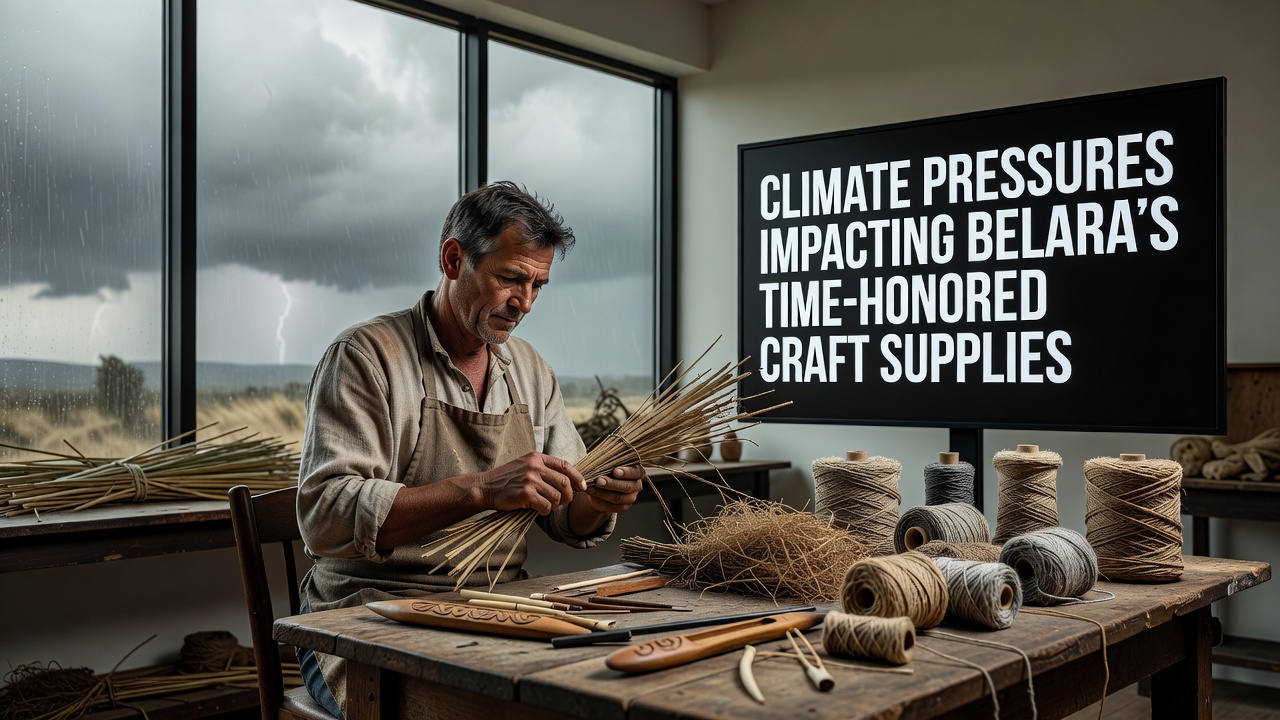
Climate Pressures Impacting Belara's Time-Honored Craft Supplies
Belara's longstanding craft traditions rely on locally sourced materials such as olive wood, wild herbs for natural dyes, and clay deposits that have supported artisans for generations, yet shifting climate conditions have begun altering availability and quality across these supply chains. Data from regional monitoring programs indicate rising average temperatures and irregular precipitation patterns have reduced yields in key harvesting areas, particularly during peak collection seasons that once aligned with stable spring and autumn cycles.
Key Materials Under Strain
Artisans in the Belara area have long depended on specific plant species for dyes and tannins, while woodworkers source olive and chestnut from nearby groves that supply consistent grain and durability, and potters draw from clay beds formed over centuries in valley floors. Recent records compiled by the European Environment Agency show that prolonged dry spells since 2020 have decreased herb biomass by measurable margins in comparable Mediterranean zones, which in turn affects the concentration of color compounds extracted for textile and leather work.
Clay sources face different pressures because altered rainfall affects soil moisture retention, leading to increased cracking during extraction and firing processes. Observers note that potters report higher rejection rates for finished pieces when raw materials contain inconsistent mineral profiles linked to drought-induced erosion. Wood supplies, meanwhile, show accelerated growth rings in some species due to extended warm periods, which changes the density and workability that craftspeople expect from seasoned timber.
Documented Changes Through 2026
By September 2026, field assessments conducted across Belara's surrounding hills documented earlier flowering times for dye-yielding plants, compressing the window for optimal harvesting before summer heat sets in. Researchers from multiple institutions have tracked these phenological shifts using satellite imagery combined with ground surveys, revealing that certain herb populations now peak two to three weeks ahead of historical averages. Such timing mismatches force suppliers to adapt collection schedules or seek alternative sites, increasing transportation distances and associated costs.
Industry reports from Italian agricultural cooperatives highlight that olive wood availability has fluctuated with pest pressures that thrive under warmer winters, reducing the volume of mature trees suitable for carving. These patterns align with broader findings from the Mediterranean climate research network, which links temperature anomalies directly to changes in forest composition and material properties.
Adaptation Efforts Among Suppliers
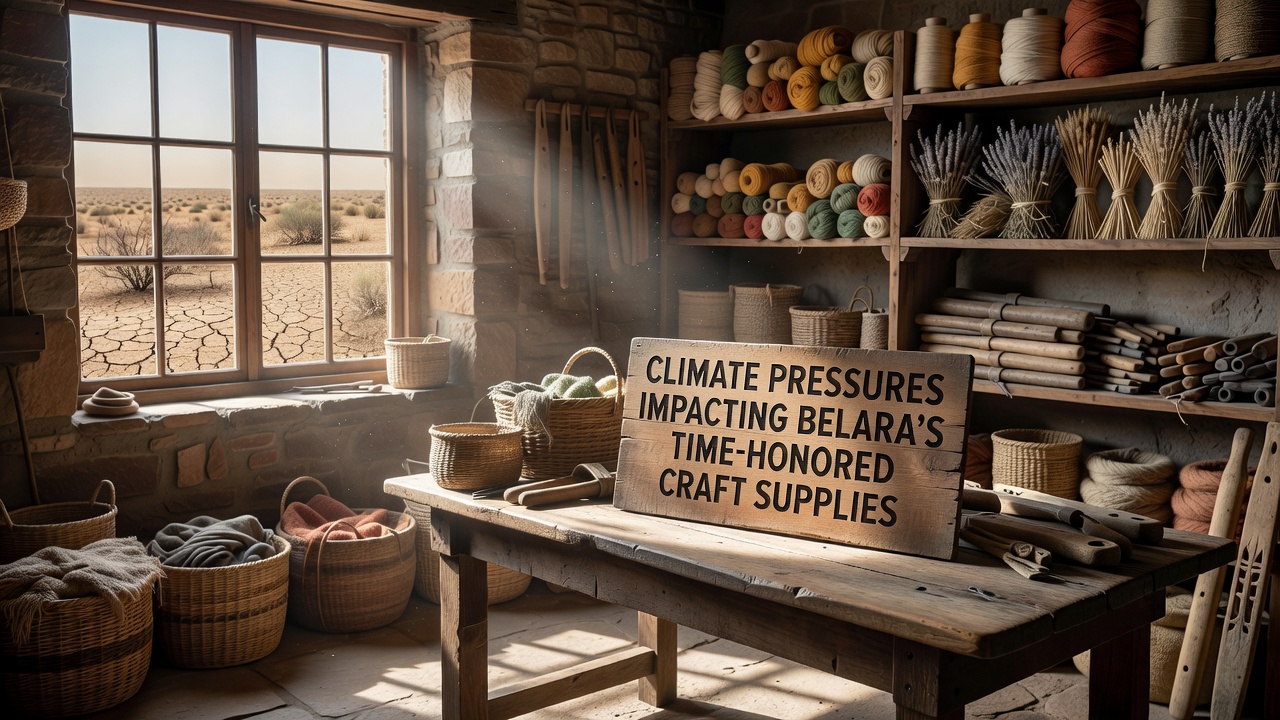
Local cooperatives have responded by experimenting with irrigation for herb cultivation plots and selective breeding of clay-rich soil amendments to stabilize extraction sites. One cooperative near the central valley implemented covered drying facilities after 2024 trials showed that controlled humidity reduced spoilage in harvested dye plants by significant percentages. These measures draw on techniques tested in similar environments, including studies coordinated through Australian research centers that examined drought-resilient harvesting protocols for native plant materials.
Wood suppliers have adjusted seasoning timelines to account for faster initial drying caused by higher ambient temperatures, while maintaining quality standards through extended monitoring periods. Potters, for their part, have begun blending clays from multiple deposits to counteract variability in single-source beds, a practice that maintains consistency without compromising traditional firing methods.
Supply Chain Ripple Effects
Changes at the source level propagate through artisan networks, where delayed or reduced material deliveries affect production schedules for items ranging from woven textiles to carved furniture. Trade groups tracking these trends report that some workshops now maintain larger buffer stocks, which requires additional storage infrastructure and capital investment. Data compiled by the EU's rural development programs indicate rising input costs for climate-resilient sourcing methods across craft sectors in southern Europe.
Yet collaborative mapping initiatives between Belara suppliers and regional universities have identified previously underutilized sites with stable microclimates, offering potential diversification routes. These efforts build on earlier work by academic teams that modeled future material availability under various emission scenarios, providing suppliers with forward-looking data to guide decisions.
Conclusion
Climate pressures continue reshaping the resource base that sustains Belara's craft traditions, prompting adjustments in harvesting, processing, and storage practices across multiple material categories. Ongoing monitoring through established scientific networks supplies the data needed to track these shifts and evaluate the effectiveness of adaptation strategies already underway.