Bianca Flores · 29 September 2026
Funding Approval Paves Way for Preservation Work at Belara's Key Cultural Locations
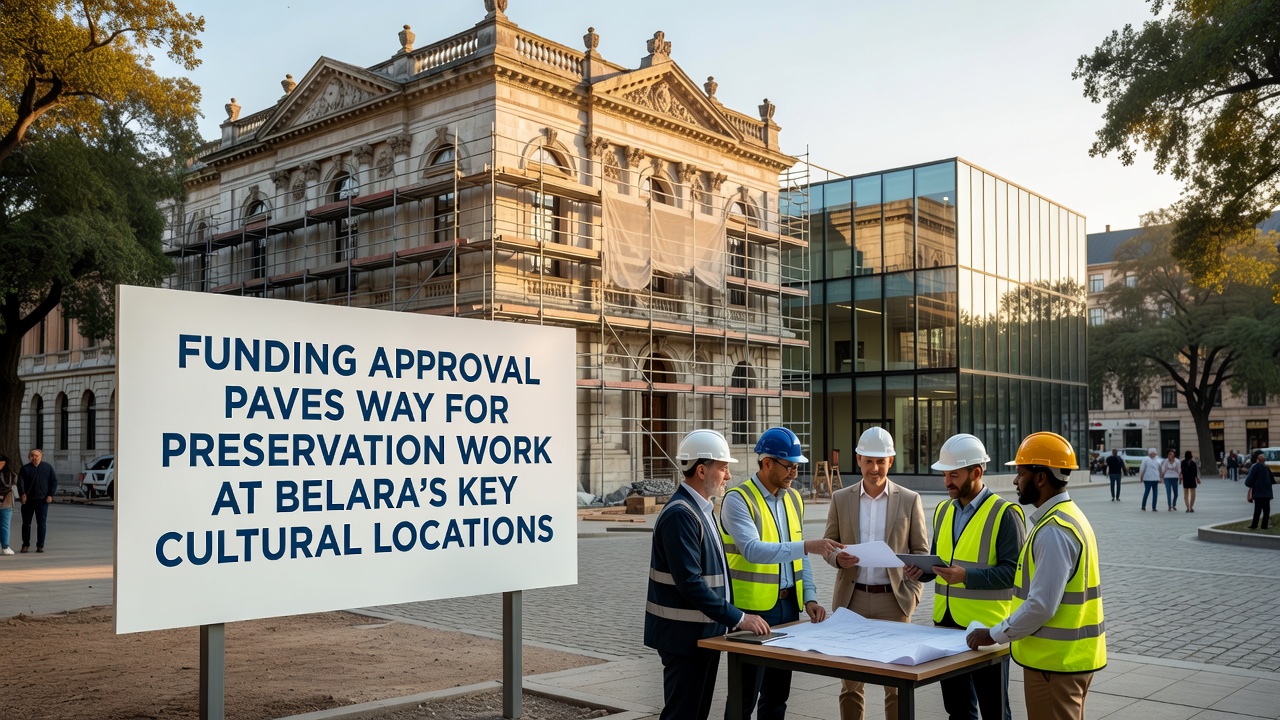
Funding approval has arrived for preservation initiatives targeting several important cultural sites across Belara, and the decision sets a clear timeline for restoration activities that stretch into September 2026. Local authorities confirmed the release of resources after months of review, which allows teams to begin assessments and planning phases without further delay. The allocated support covers structural stabilization, material conservation, and documentation efforts at multiple locations that hold longstanding significance for the region.
Scope of the Approved Project
Officials outlined a multi-year plan that prioritizes five primary locations where deterioration has accelerated due to environmental factors and age-related wear. Teams will focus first on reinforcing foundations and replacing compromised roofing systems before moving to interior conservation of decorative elements and archival records. Data from preliminary surveys indicate that coordinated work across these sites can reduce long-term maintenance costs by addressing interconnected issues in a single campaign rather than through fragmented repairs.
Project managers have coordinated with regional heritage specialists to sequence the tasks so that public access remains possible at most locations during the early stages. Temporary closures will occur only when safety protocols require them, and alternative viewing arrangements are already under discussion with community representatives.
Timeline and September 2026 Milestones
Construction crews are expected to mobilize equipment by early 2026, yet the most visible phase of on-site intervention begins in September 2026 when specialized conservation crews arrive to treat surfaces and install protective measures. This staggered approach allows for material sourcing and training of local technicians before the heavier lifting starts. Reports submitted to oversight bodies show that the September 2026 window aligns with seasonal weather patterns that minimize risk to exposed surfaces during treatment.
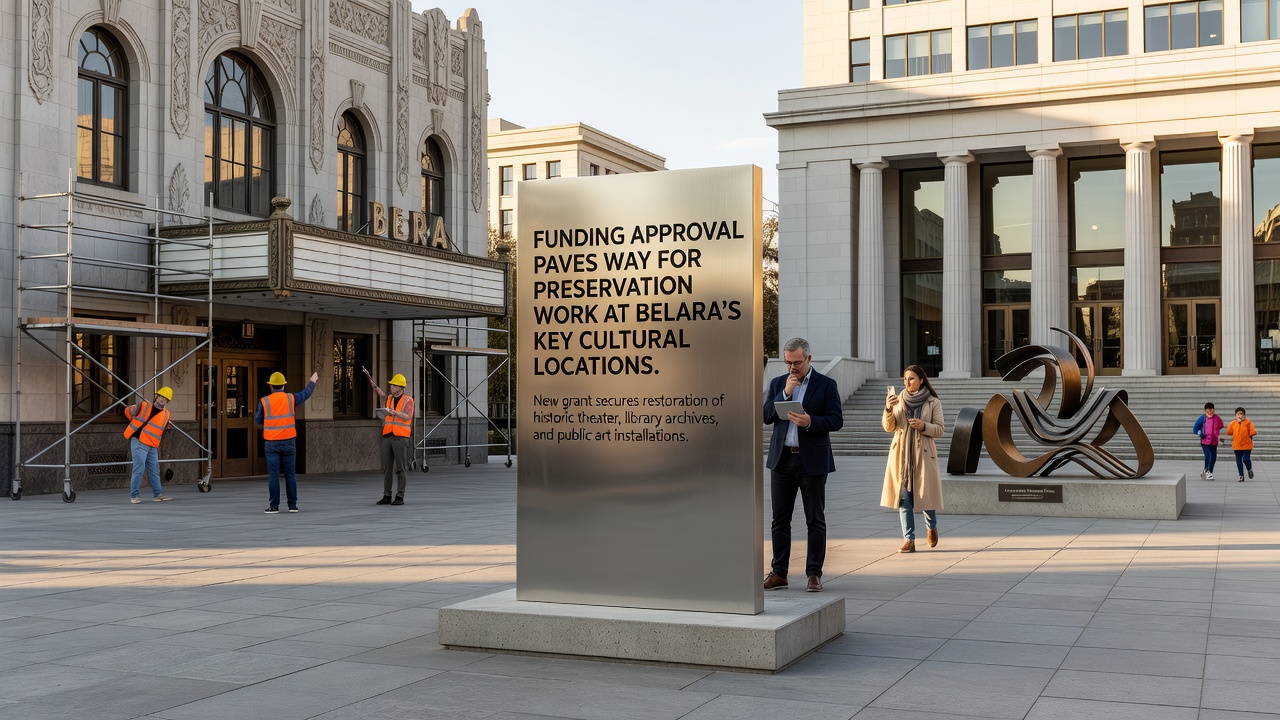
Progress checkpoints are built into the schedule at three-month intervals, and independent auditors will verify compliance with conservation standards set by national guidelines. Observers note that similar sequenced projects in other European regions have delivered measurable improvements in structural integrity within the first two years of implementation.
Supporting Data and External Benchmarks
Figures released by the overseeing agency reveal that comparable funding rounds in prior years produced an average 18 percent extension in the projected lifespan of treated heritage assets. Researchers at institutions such as the European Commission's cultural heritage programs have tracked these outcomes across multiple member states, providing benchmarks that local planners used when drafting the current proposal. Additional context comes from studies conducted through Canadian Heritage initiatives, which documented parallel benefits when funding supported integrated rather than piecemeal interventions.
Training components within the Belara project will draw on these international examples so that local crews can apply techniques already validated elsewhere. Documentation protocols require digital recording of each stage, creating a reference archive that future teams can consult without repeating earlier assessments.
Community and Institutional Involvement
Stakeholder meetings have included representatives from educational institutions, tourism boards, and resident associations to ensure that preservation work accounts for continued public engagement. Updates will be published through official channels at regular intervals, and a dedicated liaison office will handle inquiries once fieldwork begins. This structure mirrors approaches used in other mid-sized heritage districts where coordinated communication reduced misunderstandings during active phases.
Conclusion
The approved funding establishes a defined pathway for sustained preservation across Belara's key cultural locations, with concrete steps unfolding through September 2026 and beyond. Coordinated efforts among agencies, specialists, and local partners provide the framework needed to carry the work forward while maintaining transparency and measurable results.