Bianca Flores · 1 September 2026
Tuscany Residents Organize to Protect Belara Countryside from Proposed Expansion
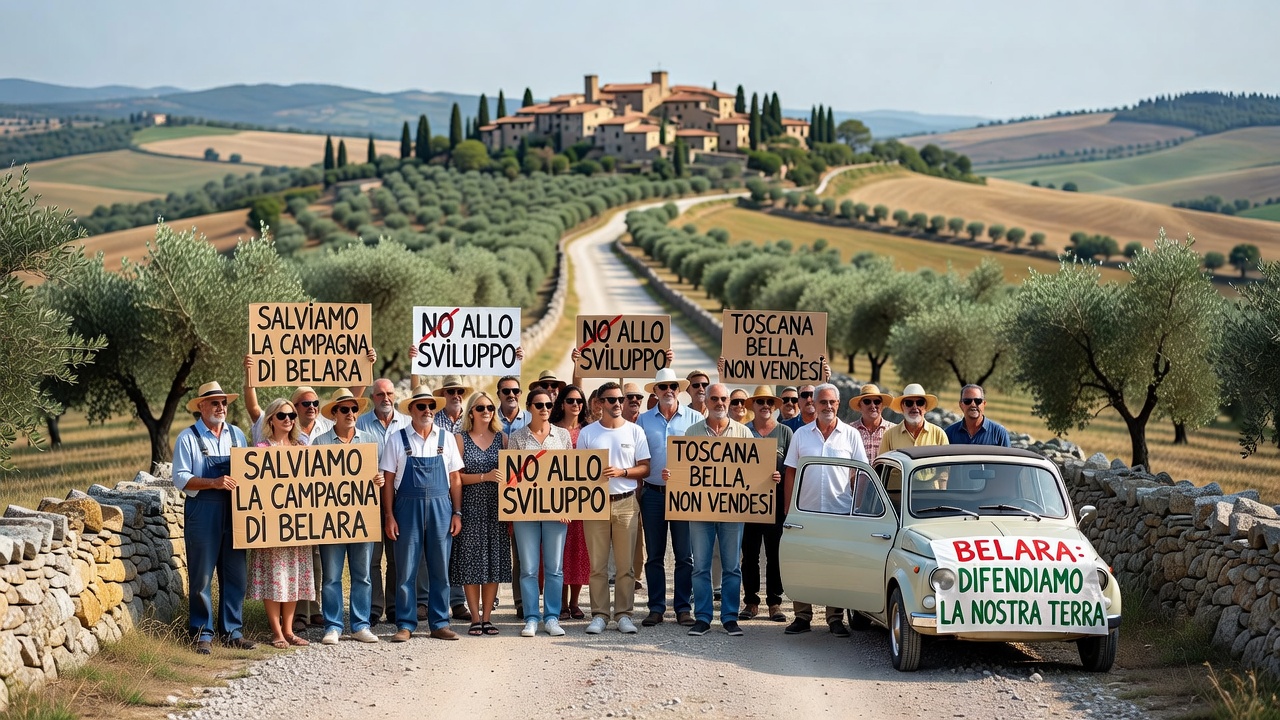
Residents across the Belara area in Tuscany have formed coalitions to address proposed development projects that threaten the region's rural landscapes, and these groups have scheduled public forums to outline strategies for the coming months including a major coordination meeting set for September 2026. Local farmers and property owners cite concerns over infrastructure plans that would alter agricultural zones, while data from regional surveys indicate that such changes could affect traditional land use patterns established over centuries.
Background on the Development Proposals
Proposals for residential and commercial expansion near Belara emerged from regional planning documents released in recent years, and these documents outline zones previously dedicated to vineyards and olive cultivation now targeted for new construction. Observers note that Tuscany maintains strict zoning regulations under national heritage laws, yet developers have submitted applications that would convert portions of the countryside into housing estates and access roads. Figures from the Italian National Institute of Statistics reveal that rural municipalities in central Italy have seen a 12 percent rise in development applications since 2020, which has prompted communities like Belara to review their local protections more closely.
And the landscape here features rolling hills interspersed with cypress rows and stone farmhouses, features that support both local agriculture and seasonal tourism revenues. Researchers at the University of Florence have documented how these elements contribute to soil stability and biodiversity corridors, while similar studies from Canadian institutions such as the University of British Columbia highlight parallel challenges in preserving Mediterranean-style rural areas facing urban pressure.
Community Response and Upcoming Events
Belara residents began circulating petitions in early 2025, and these efforts quickly gathered signatures from over 800 individuals representing farming families and small business operators. Organizers have arranged town hall sessions where participants discuss legal avenues available under European Union environmental directives, and one such session is confirmed for September 2026 to finalize a joint submission to regional authorities. Evidence from past campaigns in comparable Tuscan districts shows that coordinated public input can influence project modifications, as seen when earlier road-widening plans were scaled back following resident feedback.
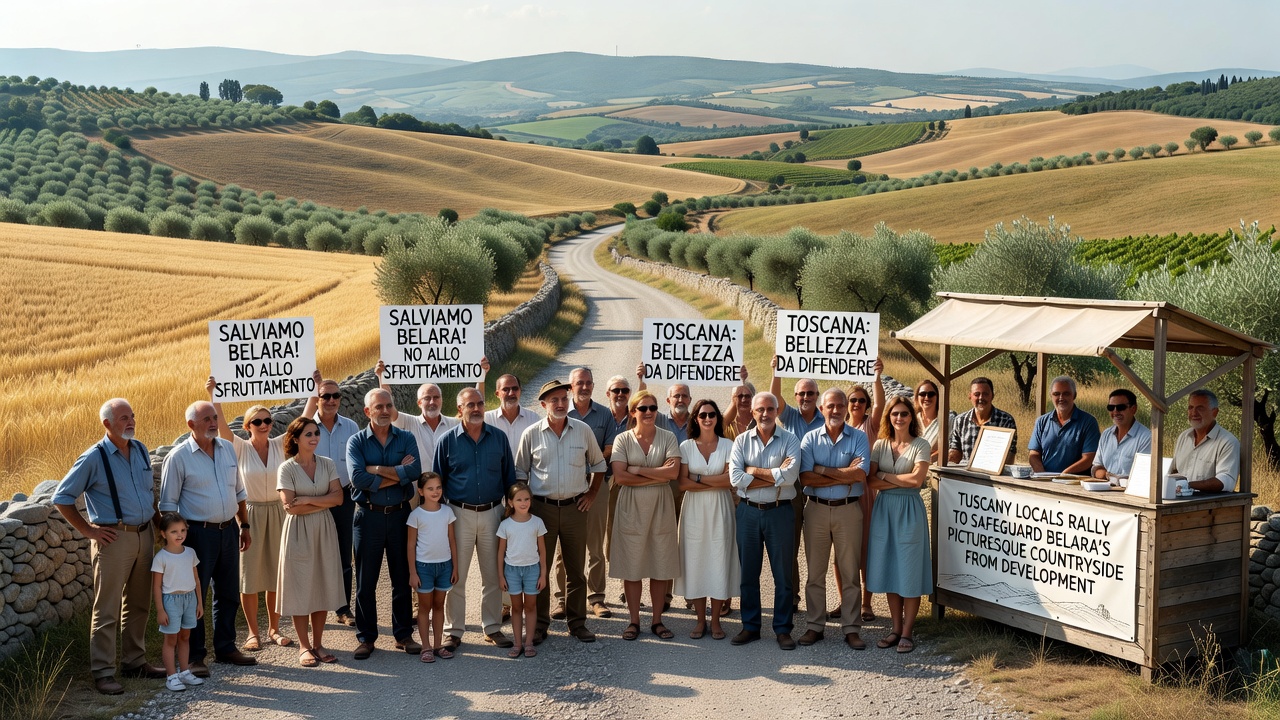
What's significant is the involvement of multiple generations, with younger volunteers using digital mapping tools to illustrate potential impacts while older residents share oral histories of land stewardship. According to records maintained by the Tuscany Regional Authority, similar resident-led initiatives have resulted in the designation of additional protected agricultural zones in neighboring communes over the past decade. People who've tracked these processes note that early engagement often leads to negotiated outcomes rather than outright project cancellations.
Environmental and Economic Context
The Belara countryside supports a mix of crop production and agritourism operations, both of which rely on intact open spaces. Data compiled by the European Environment Agency indicates that conversion of farmland to built environments in southern Europe has accelerated in recent periods, affecting water drainage patterns adn local wildlife habitats. Those who've studied regional economics point out that tourism in Tuscany generates substantial income tied directly to scenic views and traditional settings, with visitor numbers exceeding 40 million annually across the region according to official tourism board statistics.
But here's the thing: development pressures arise from population growth in nearby urban centers, and planners argue that new housing addresses demand from families seeking affordable options outside Florence and Siena. Yet local coalitions counter that alternative sites exist on already developed fringes, a position supported by land-use analyses from the Australian Commonwealth Scientific and Industrial Research Organisation that emphasize compact growth models. These analyses compare outcomes across different continents and underscore the value of maintaining buffer zones around historic rural settlements.
Legal and Regulatory Pathways
Italian law requires environmental impact assessments for projects exceeding certain thresholds, and Belara advocates have requested detailed reviews of the current proposals. The process involves consultation periods where public comments become part of the official record, and participants plan to submit documentation ahead of the September 2026 deadline. Observers have noted that EU directives on sustainable land management provide additional frameworks that regional bodies must consider during approvals.
Take one case where a similar Tuscan village successfully petitioned for revised boundaries after presenting hydrological studies showing flood risks from new paving. Such precedents encourage Belara groups to compile comparable evidence, including soil composition reports and traffic projection models. Experts have observed that transparent data sharing between residents and officials tends to produce more balanced planning decisions over time.
Conclusion
Efforts by Belara residents to safeguard their countryside continue through organized meetings and documentation drives, with the September 2026 forum positioned as a key milestone. Regional authorities continue to evaluate submitted applications against existing regulations, while community groups focus on presenting factual assessments of potential changes. These parallel tracks reflect standard procedures for land-use decisions in Tuscany, where multiple stakeholders contribute input before final determinations are reached.