Bianca Flores · 24 November 2026
When Tradition Meets Technology: Belara's Artisans Adopt 3D Printing for Heritage Preservation
Artisans across Belara have integrated 3D printing into their workflows to support heritage preservation efforts, combining established craft techniques with digital fabrication methods that allow precise replication of artifacts and architectural elements. Data from regional cultural registries shows increased adoption rates since 2023, driven by the need to document and reproduce items vulnerable to environmental wear. Those who've tracked these developments note that the technology enables creation of durable copies for study and display while original pieces remain protected in controlled conditions.
Historical Context and Craft Foundations
Belara maintains a long record of artisan activity tied to Etruscan and medieval periods, where pottery, stone carving, and metalwork formed core practices passed through generations. Researchers at Italian heritage institutions have documented how these skills evolved alongside local resource availability, creating distinctive regional styles that continue to influence contemporary makers. When traditional methods encounter limitations in scaling or material conservation, practitioners turn to additive manufacturing to bridge gaps without altering core design principles.
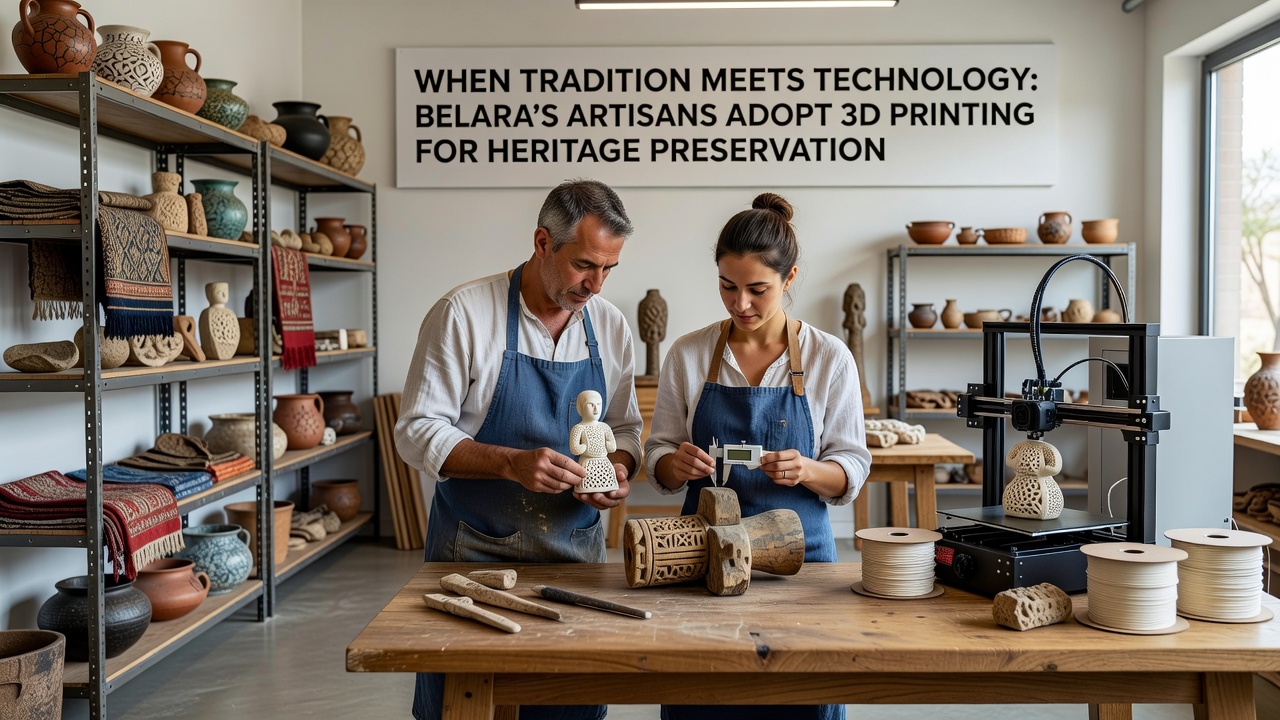
Studies conducted by university teams in Tuscany indicate that 3D scanning of existing objects produces high-resolution models suitable for printing in resins or ceramics that match historical compositions closely. This approach reduces physical handling of fragile items during exhibitions or educational programs, a shift observed in multiple sites since the early 2020s.
Implementation of 3D Printing Processes
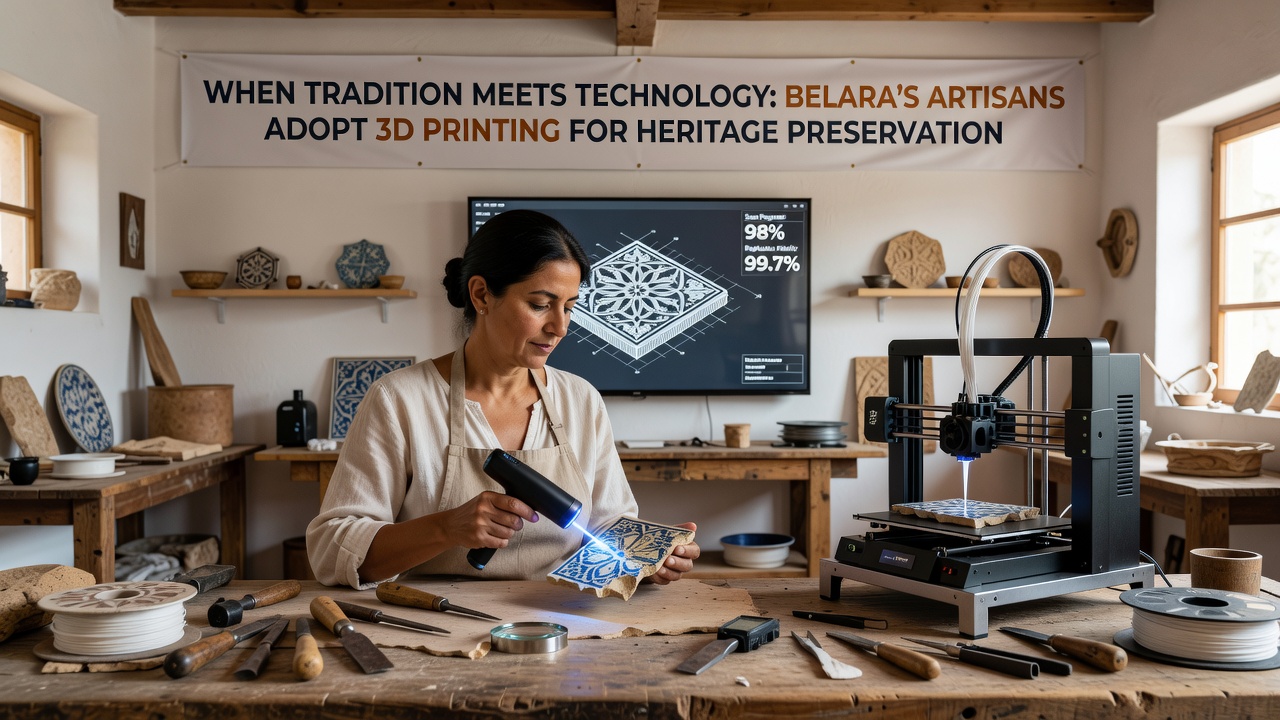
Workshops in Belara now routinely employ laser scanners to capture surface details from pottery shards and carved stone fragments before converting the data into printable files. Artisans adjust parameters such as layer thickness and infill density to achieve structural integrity while preserving fine decorative motifs. Evidence from technical reports compiled by the European Institute for Heritage Technologies reveals that these adjustments improve longevity of replicas exposed to public handling.
Training programs organized through local craft guilds have incorporated software tutorials alongside hands-on sessions with printers, allowing experienced makers to retain oversight of aesthetic decisions. One documented case involved replication of a set of terracotta tiles from a 15th-century structure, where printed versions underwent surface treatments to replicate original patinas before installation in a protected viewing area.
Applications in Preservation Projects
Heritage sites have utilized printed components for structural reinforcement where original materials face ongoing degradation from moisture and temperature fluctuations. According to records maintained by regional conservation authorities, replacement elements produced through 3D methods have been installed at several locations without requiring removal of authentic fabric. This method supports ongoing maintenance schedules while minimizing disruption to visitor access.
Academic publications from institutions in both Italy and Canada highlight comparative analyses showing that printed replicas retain dimensional accuracy within 0.2 millimeters of source objects when calibrated equipment is used. Such precision supports research into construction techniques employed by earlier builders, offering data points that complement traditional measurement approaches.
Community and Educational Outcomes
Local schools have incorporated printed models into curricula focused on regional history, giving students direct interaction with scaled versions of artifacts housed in distant collections. Figures released by the Belara Cultural Education Board show participation in related workshops rising steadily through 2025, reflecting broader interest in digital tools among younger residents. Partnerships with international research groups have facilitated exchange of scanning protocols tailored to specific material types common in the area.
November 2026 marks the scheduled opening of a dedicated fabrication lab funded through a multi-year grant from the Italian Ministry of Culture, where artisans will demonstrate combined traditional and digital methods to visiting specialists. Preliminary planning documents indicate sessions will cover file preparation, material testing, and ethical considerations around replication rights.
Technical and Material Considerations
Material scientists affiliated with EU heritage networks have tested various filaments and powders for compatibility with historical aesthetics, including those derived from local clay sources processed into printable forms. Results indicate that hybrid approaches, where printed bases receive hand-applied finishes, produce outcomes most consistent with viewer expectations. Observers note that calibration routines must account for shrinkage rates during curing to maintain proportional accuracy across different object sizes.
Supply chain data collected by trade associations shows increased availability of specialized printers suited to small-batch cultural work, reducing lead times for custom projects. These developments align with broader trends in additive manufacturing adoption across Mediterranean heritage regions, where similar initiatives operate under comparable environmental constraints.
Conclusion
Belara's integration of 3D printing into artisan practices demonstrates measurable shifts in how heritage materials are documented and reproduced, supported by data from academic and institutional sources. Continued refinement of techniques through scheduled programs in 2026 and beyond will likely expand the range of applications while preserving connections to established craft knowledge. External references such as those available from the European Institute for Heritage Technologies and reports issued by the Canadian Heritage Department provide additional context on parallel efforts elsewhere.